What to Do When Your Car Breaks Down on the Highway: A Simple Step-By-Step Guide
Experiencing a car breakdown on the highway is one of the most stressful situations a driver can face. The sudden halt, the uncertainty of what caused the issue, and the potential danger from passing vehicles can create panic in even the most experienced drivers. Understanding how to respond calmly and effectively in such a scenario is crucial for your safety and the safety of others on the road. Highway breakdowns can result from a variety of factors, including mechanical failures, battery issues, overheating, or even running out of fuel. Being prepared with the right knowledge can minimize risk and prevent further complications.
This guide provides a step-by-step approach to handling a highway breakdown. From safely moving your vehicle to assessing the problem, contacting assistance, and taking precautions while waiting for help, each step is designed to empower drivers with actionable strategies. By following these measures, you can reduce stress, protect yourself and passengers, and prevent additional damage to your vehicle. Whether you are a seasoned driver or a newcomer behind the wheel, understanding these procedures is essential for ensuring a safer driving experience and minimizing the disruption caused by unexpected vehicle troubles.
Step 1: Ensure Safety First
Pull Over Safely
The first priority when your car breaks down on the highway is safety. If you notice any warning signs such as engine smoke, strange noises, or loss of power, do not panic. Gradually slow down, activate your hazard lights, and steer your vehicle toward the shoulder or the emergency lane. Avoid sudden stops that can confuse or endanger other drivers. If possible, aim for a flat, stable area away from curves or oncoming traffic.
Stay Inside or Outside?
Once parked, assess the safest location for you and your passengers. If the breakdown occurs on a busy highway, it is often safer to remain inside the vehicle with seatbelts fastened while you wait for help, especially if traffic is heavy. However, if there is a visible danger, such as smoke or fire, evacuate the vehicle immediately and move to a safe distance away from the road. Always avoid standing directly behind or in front of your vehicle.
Use Warning Devices
To alert other drivers, deploy reflective triangles, flares, or cones if you have them in your emergency kit. Place them a safe distance behind your car, typically 50 to 100 feet on highways, to give oncoming traffic enough time to react. Hazard lights should remain on continuously. This visibility reduces the risk of secondary accidents and increases your chances of receiving timely assistance.
Step 2: Assess the Situation
Identify Obvious Issues
Once you are safely off the road, perform a quick visual inspection of your vehicle. Look for smoke, leaks, flat tires, or loose battery connections. For example, a sudden stop accompanied by a popping sound may indicate a blown tire, while a steaming hood could signal an overheating engine. Understanding the potential cause can help you decide whether the issue can be addressed on-site or requires professional assistance.
Check Fuel and Battery Status
Running out of fuel or a dead battery are two of the most common causes of highway breakdowns. If your dashboard indicates low fuel, confirm if a fuel delivery or refill is feasible. For battery-related problems, look for signs such as dim lights, clicking sounds when trying to start the engine, or dashboard electrical failures. Having jumper cables or a portable jump starter can be helpful in emergencies, but only attempt a jump-start if you are familiar with the correct procedure.
Evaluate Your Options
After identifying the likely cause, determine if it’s safe to attempt a temporary fix. Flat tires can often be replaced with a spare and jack, while minor overheating issues may be mitigated by allowing the engine to cool and adding coolant. If the problem seems mechanical or complex, avoid attempting risky repairs on the shoulder. In many cases, calling for professional roadside assistance is the safest and most effective solution.
Step 3: Communicate and Call for Help
Contact Emergency Services if Needed
In situations where your safety is at immediate risk, such as collisions, fire, or hazardous road conditions, call 911 before anything else. For non-emergency breakdowns, contact your roadside assistance provider, insurance company, or towing service. Having a membership with a reputable service can save significant time and ensure professional handling.
Provide Accurate Information
When contacting help, be precise about your location. Use highway markers, mileposts, or GPS coordinates to give rescuers a clear reference point. Describe your vehicle, the issue, and any immediate dangers, such as a flat tire blocking the lane. Clear communication accelerates response time and ensures the crew arrives equipped for your specific situation.
Notify Others on the Road
If you are traveling with family, friends, or colleagues, ensure they are aware of your breakdown. Pass on updates via phone or messaging apps to avoid unnecessary worry. In addition, let other drivers around you know about your situation by keeping hazard lights on and using hand signals if necessary during initial maneuvers to exit traffic safely.
Step 4: Take Preventive Actions While Waiting
Stay Visible and Safe
Remaining visible is critical on a highway. Keep hazard lights on and, if safe, open the hood to signal distress. Reflective clothing or safety vests enhance visibility, particularly at night or during poor weather conditions. Avoid standing near the vehicle’s rear or between lanes of traffic. If waiting outside, position yourself behind barriers or guardrails when possible.
Manage Stress and Passengers
Breakdowns can be stressful for both the driver and passengers. Keep children and pets inside the vehicle if it’s safe, offer reassurance, and stay calm. Stress management is vital to prevent rash decisions that could worsen the situation. Use this waiting period to review your emergency kit, ensure everyone has water, and check the readiness of essential items such as blankets, flashlights, and first-aid supplies.
Monitor Traffic and Weather Conditions
Highway conditions can change rapidly, and staying informed is key. Use a mobile device to check traffic updates, weather alerts, or potential hazards that may affect the arrival of help. Being aware of oncoming construction, heavy vehicles, or adverse weather allows you to adjust your positioning and maintain safety until assistance arrives.
Step 5: Make Safe Temporary Fixes if Possible
Tire Changes
If the breakdown is caused by a flat tire and you are confident in using a spare, follow the correct procedures for changing the tire. Ensure the vehicle is on stable ground, the parking brake is engaged, and wheel chocks are used if available. A properly executed tire change can get you back on the road quickly without the need for a tow.
Battery Jump-Starts
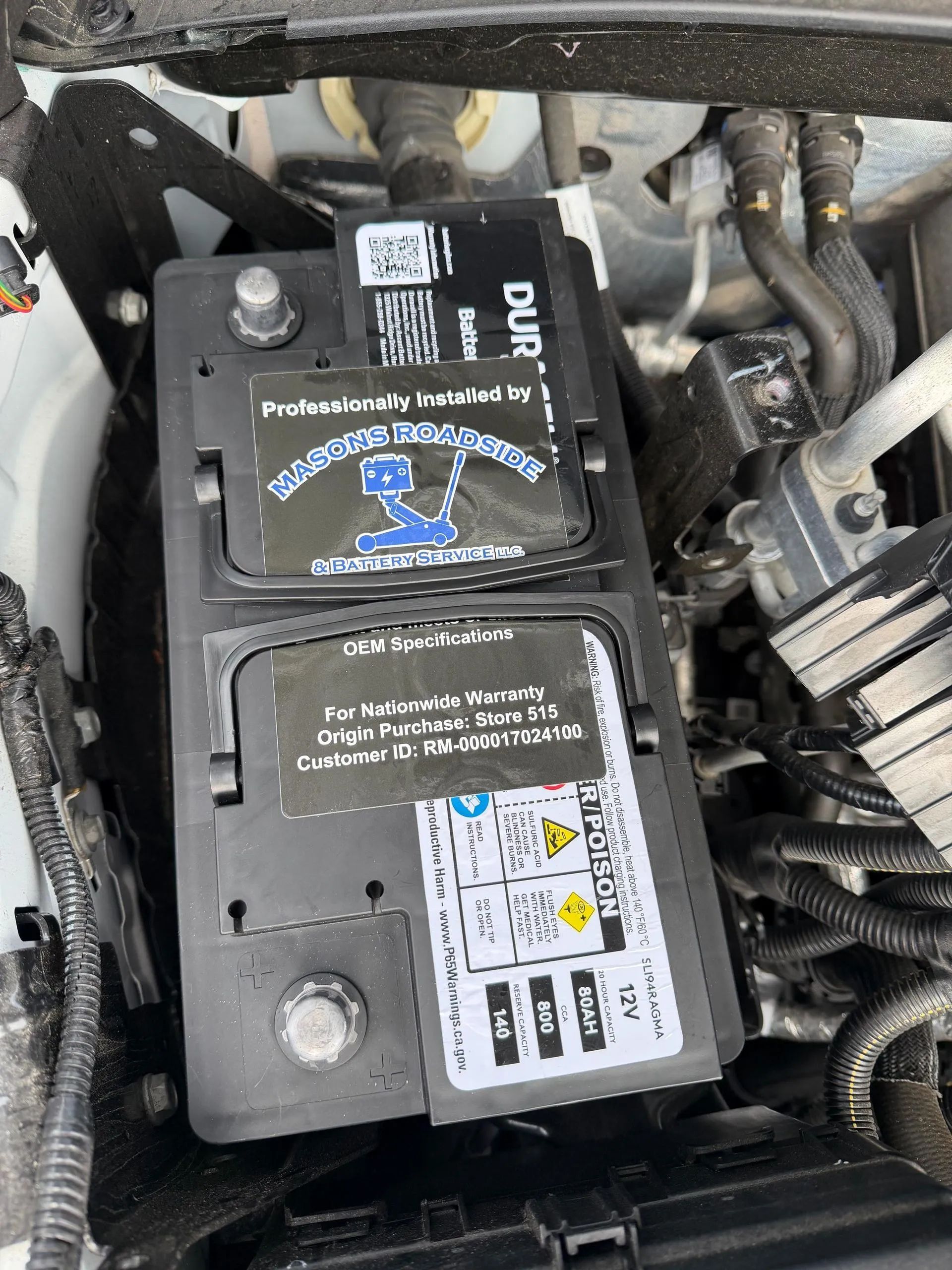
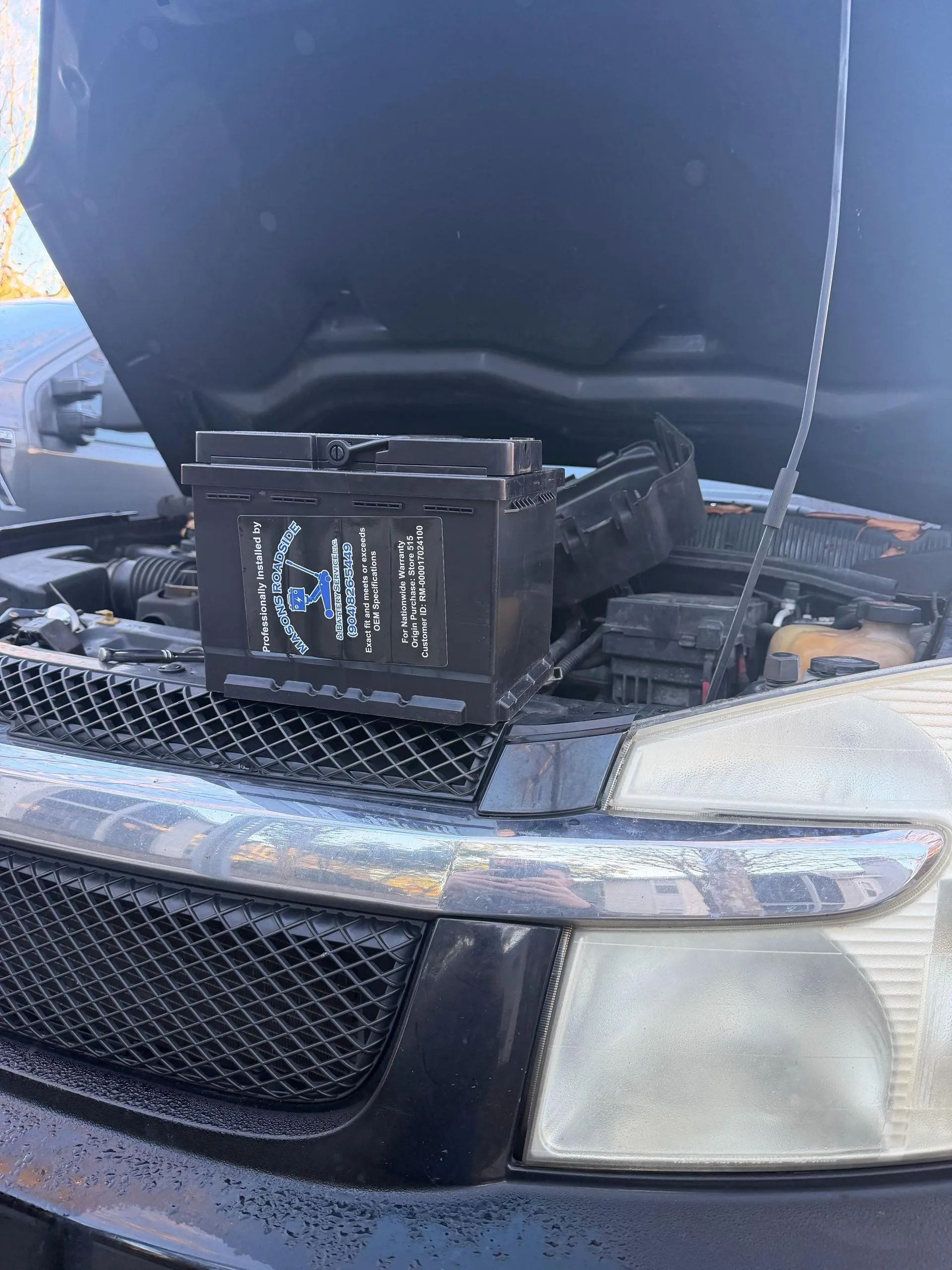
Battery failure is another common highway issue. Using jumper cables or a portable jump starter can provide a quick solution. Connect the cables carefully following the correct polarity and safety instructions. Once the car starts, let the engine run for several minutes to stabilize the battery. Avoid jump-starting if you notice damage to the battery casing, smoke, or leakage.
Fluid Top-Ups
If your vehicle is overheating, you can safely add coolant or water to the radiator after letting the engine cool completely. Do not attempt this while the engine is hot, as it may cause burns or exacerbate the problem. Small fluid top-ups can sometimes allow you to drive to a nearby service station, but this should be seen as a temporary measure rather than a permanent solution.
Step 6: Know When to Wait for Professional Help
Recognize Complex Mechanical Failures
Not all breakdowns can be resolved roadside. Transmission failures, major engine issues, or electrical system malfunctions require professional assessment. Attempting repairs without proper knowledge or tools can lead to higher costs, safety hazards, or further damage. Recognizing your limits is crucial for a safe outcome.
Choosing the Right Towing or Roadside Assistance
Select a reliable towing or roadside service with a proven track record. Verify credentials, estimated arrival times, and the types of services offered. Professional providers can not only tow your vehicle safely but also offer on-site solutions for minor issues, reducing downtime and preventing additional mechanical stress.
Plan Your Next Steps
Once help is on the way, focus on preparation. Gather important documents, ensure valuables are secured, and note any observations that may assist the mechanic. Planning ahead reduces stress and ensures a smooth transition from the breakdown scene to either a repair facility or home.
Dependable Breakdown Help From Trained Service Specialists
When dealing with a highway breakdown, having access to a reliable, professional service provider can make all the difference. Masons Roadside & Battery Services, located in St. Augustine, Florida, has been serving drivers with dependable towing and roadside assistance for 7 years. Their team specializes in on-site battery replacements, towing, jump-starts, and minor repairs, ensuring drivers are back on the road quickly and safely. With a commitment to efficiency, transparent communication, and customer-focused solutions, Masons Roadside & Battery Services understands the stress that comes with vehicle breakdowns and is equipped to handle any roadside scenario.
Whether it’s a flat tire, dead battery, or mechanical failure, their experienced professionals provide expert guidance, on-the-spot solutions, and safe towing services to local drivers. Trusting a company with a proven track record not only saves time and money but also offers peace of mind, knowing you’re in capable hands during one of the most vulnerable moments on the highway. Your safety and satisfaction are their top priorities.