6 Warning Signs Your Car Battery Is About to Leave You Stranded
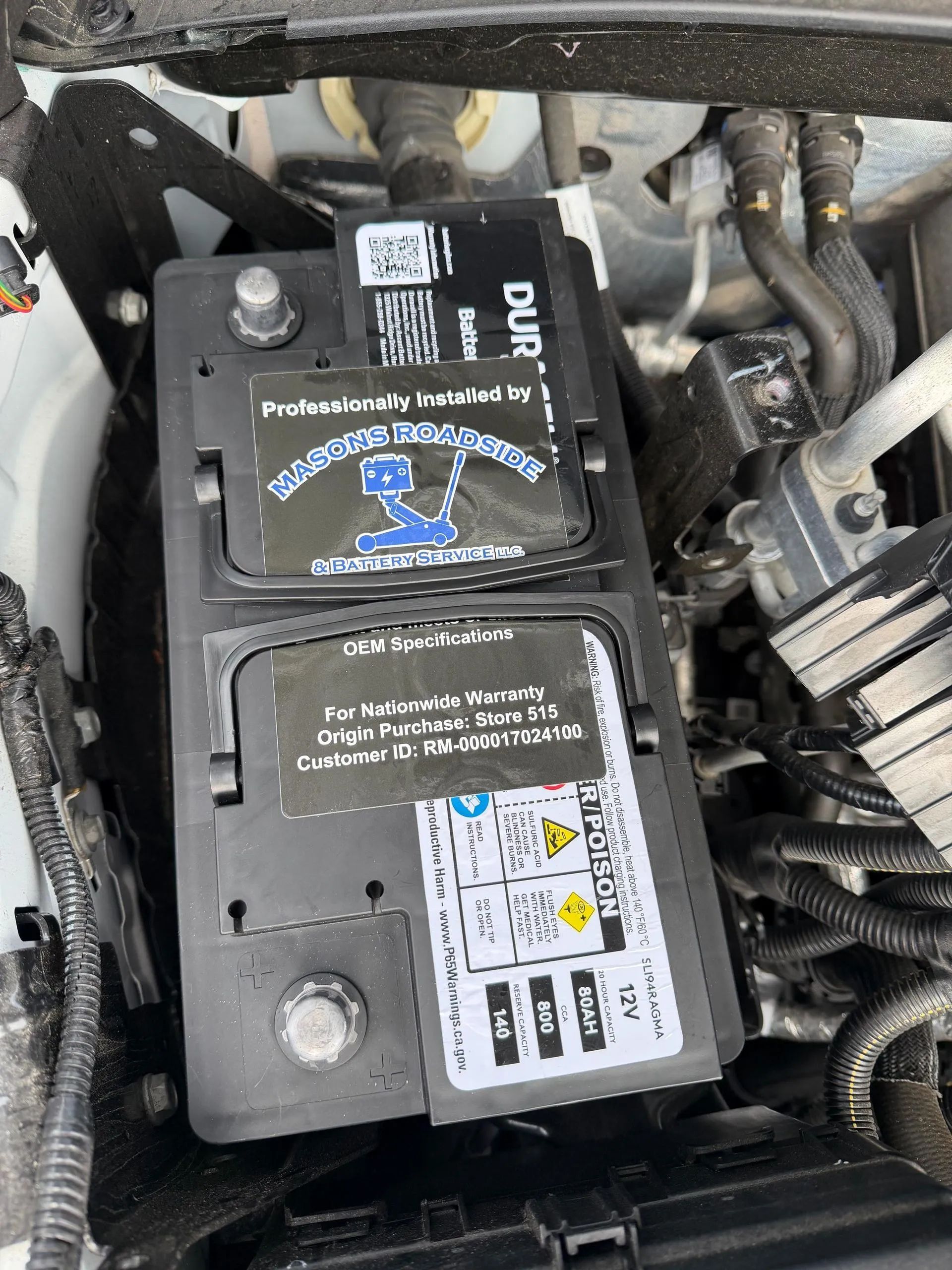
A car battery is one of the most critical components of your vehicle, yet it often goes unnoticed until it fails. For many drivers, a dead battery can mean more than just inconvenience—it can lead to being stranded at an inopportune moment, missed appointments, or even safety risks if the failure occurs in a remote or unsafe location. Despite its importance, many car owners underestimate the warning signs of an aging or failing battery, often ignoring subtle indicators until it’s too late. Recognizing these early warning signs is essential for avoiding emergency situations and costly repairs.
Understanding your battery’s health can save time, money, and stress. Regular maintenance, timely inspections, and being alert to changes in your car’s behavior can prevent unexpected breakdowns. From slow engine cranking to dashboard warning lights, each signal provides valuable insight into the battery’s condition. In this article, we’ll explore six common warning signs that indicate your car battery is on the verge of failure, offering practical advice and actionable tips to help you maintain reliability on the road. By staying informed and proactive, you can avoid the frustration and danger of a sudden battery failure.
1. Slow Engine Crank
Understanding the Symptom
One of the earliest signs that your battery is weakening is a slow or labored engine crank when turning the ignition key. If your vehicle takes longer than usual to start or the starter motor struggles, it often points to a gradual loss of battery power that may worsen over time. Modern vehicles rely on electrical energy to initiate the ignition sequence, and a failing battery struggles to deliver sufficient current to meet the engine’s demands efficiently.
Real-World Example
Imagine starting your car on a chilly morning. You turn the key, and instead of the engine roaring to life immediately, you hear a sluggish whirring sound that seems unusual. This could indicate that your battery is losing its ability to provide the high current required during startup, signaling an impending issue. While the car may eventually start after a few attempts, repeated occurrences suggest an imminent battery failure if left unaddressed.
Expert Advice
Automotive technicians recommend performing regular voltage checks using a multimeter to monitor battery health accurately. A fully charged car battery should measure around 12.6 volts when the engine is off, providing sufficient power for startup. If readings consistently fall below 12.4 volts, it may be time to consider replacement, especially if accompanied by slow engine cranking or intermittent starting issues. Regular inspections can help avoid unexpected breakdowns on the road.
2. Dashboard Warning Lights
Recognizing Electrical Alerts
Modern vehicles are equipped with dashboard indicators that alert drivers to electrical issues, including potential battery problems. The battery warning light, often shaped like a battery symbol, illuminates when the vehicle’s charging system is compromised or underperforming. This light does not always mean the battery itself is failing—it could also indicate alternator or wiring issues—but it is a clear sign that further investigation is necessary.
Common Scenarios
A driver may notice the battery light flickering on and off while idling at a traffic light or during short trips. This intermittent alert signals that the charging system may not be maintaining proper voltage consistently, putting additional stress on the battery. Ignoring this warning can eventually result in a complete electrical failure, leaving the car unable to start when you need it most.
Best Practices
If the battery warning light appears, it’s critical to have the battery and alternator inspected promptly by a qualified technician. Testing the alternator’s output and battery charge levels ensures that both components are functioning optimally and safely. Preventive maintenance at this stage is far less costly than dealing with a dead battery on the road or requiring emergency roadside assistance.
3. Corroded or Leaking Battery Terminals
Physical Signs of Battery Wear
Visual inspection of your battery can reveal early signs of potential failure or malfunction. Corrosion around the battery terminals, often appearing as a white, powdery substance, can impede electrical flow and reduce performance significantly. Similarly, visible leaks, cracks, or swelling of the battery casing indicate internal damage, chemical degradation, or potential safety hazards.
Real-Life Example
Consider a vehicle that intermittently struggles to start during routine commutes. Upon inspection, the battery terminals are heavily corroded and obstructing proper current flow. Even partially corroded terminals can restrict electricity, reducing battery performance and lifespan. Leaking batteries are even more serious, posing both mechanical and safety risks due to the corrosive acid inside the cells.
Expert Recommendations
Regular cleaning of battery terminals using a mixture of baking soda and water can prevent corrosion buildup and maintain optimal conductivity. For safety, always disconnect the battery before cleaning to avoid short circuits. If the battery shows signs of leakage, swelling, or excessive corrosion, replacement is the safest option. Technicians also recommend applying terminal grease to reduce future corrosion risks and prolong battery life.
4. Dimming Lights and Electrical Issues
Understanding Electrical Strain
A failing battery often manifests through various electrical symptoms in the vehicle, indicating insufficient voltage supply. Dimming headlights, interior lights that flicker or fade, and slow power window operation can all signal an underlying battery problem. These issues are particularly noticeable when the engine is idling, under heavy electrical load, or during extreme weather conditions.
Practical Example
A driver notices that headlights appear brighter when accelerating but dim noticeably at idle, a clear symptom of battery weakness. Similarly, electronic components such as infotainment systems, dashboard displays, or climate control may reset unexpectedly due to unstable power supply. These electrical anomalies are early warnings that the battery may not be capable of supporting ongoing vehicle operations reliably.
Preventive Steps
Regularly testing battery voltage and monitoring electrical performance can identify declining battery health before a complete failure occurs. Technicians often advise checking for voltage drops under load, which can reveal underlying issues that may not appear during a simple idle test. Maintaining proper electrical connections and avoiding excessive accessory use when the battery is weak also helps prolong its operational lifespan effectively.
5. Strange Odors or Unusual Sounds
Chemical and Mechanical Indicators
A failing battery can sometimes emit unusual odors, such as a rotten egg smell caused by leaking sulfuric acid. Additionally, strange mechanical sounds, like repeated clicking when turning the ignition key, often accompany a battery that cannot supply enough power to the starter motor. These signs are often overlooked until a failure occurs.
Real-World Observation
One common scenario is a car that produces a faint sulfur smell after running the engine for a short period. This smell usually indicates overcharging or internal cell damage. Similarly, a repeated clicking noise during engine start is a classic symptom of insufficient battery charge. Ignoring these signals can quickly result in a total breakdown or an unsafe roadside situation.
Best Practices
If you detect unusual odors or sounds, it’s important to stop using the vehicle and have the battery tested immediately by a professional. Early intervention can prevent not only the inconvenience of a dead battery but also potential safety hazards caused by leaking acid or electrical shorts. Regular inspections are critical, especially for older batteries nearing the end of their expected lifespan or reliability.
6. Old Age and Long-Term Usage
The Lifespan Factor
Car batteries typically last between three to five years, depending on usage patterns, climate, and regular maintenance practices. Age is one of the most predictable indicators of impending battery failure. As batteries age, their capacity to hold a charge diminishes significantly, even if no immediate symptoms are evident during routine driving.
Scenario in Daily Life
A vehicle equipped with a four-year-old battery may start normally one day but fail unexpectedly the next, leaving the driver stranded. Extreme weather, frequent short trips, or extended periods of inactivity accelerate the natural degradation of battery cells. Older batteries are more prone to all previously mentioned warning signs, from slow cranking to electrical anomalies or strange odors.
Expert Guidance
Keeping track of the battery’s age and maintaining a consistent service schedule is crucial for vehicle reliability. Many automotive professionals recommend proactive replacement once a battery reaches the end of its expected lifespan rather than waiting for sudden failure. Additionally, regular testing during routine maintenance visits ensures continued reliability and significantly reduces the risk of roadside emergencies.
Trusted Professionals Protecting You From Battery Failures
Monitoring the health of your car battery is essential for safe, reliable driving. By recognizing early warning signs such as slow engine cranking, dashboard alerts, corroded terminals, dimming lights, unusual odors, and aging, drivers can take proactive steps to prevent unexpected breakdowns. Addressing battery issues before they escalate reduces repair costs, avoids inconvenient roadside emergencies, and ensures your vehicle operates smoothly.
At Masons Roadside & Battery Services
in St. Augustine, Florida, we understand the importance of dependable vehicle power. With over 7
years of experience in towing and roadside assistance, our team is committed to providing prompt, professional battery diagnostics, replacements, and emergency support. Our expertise ensures that drivers are never left stranded, offering peace of mind whether you encounter a dead battery at home or on the road. Trust Masons Roadside & Battery Services
for reliable, expert solutions that keep you moving safely and efficiently.